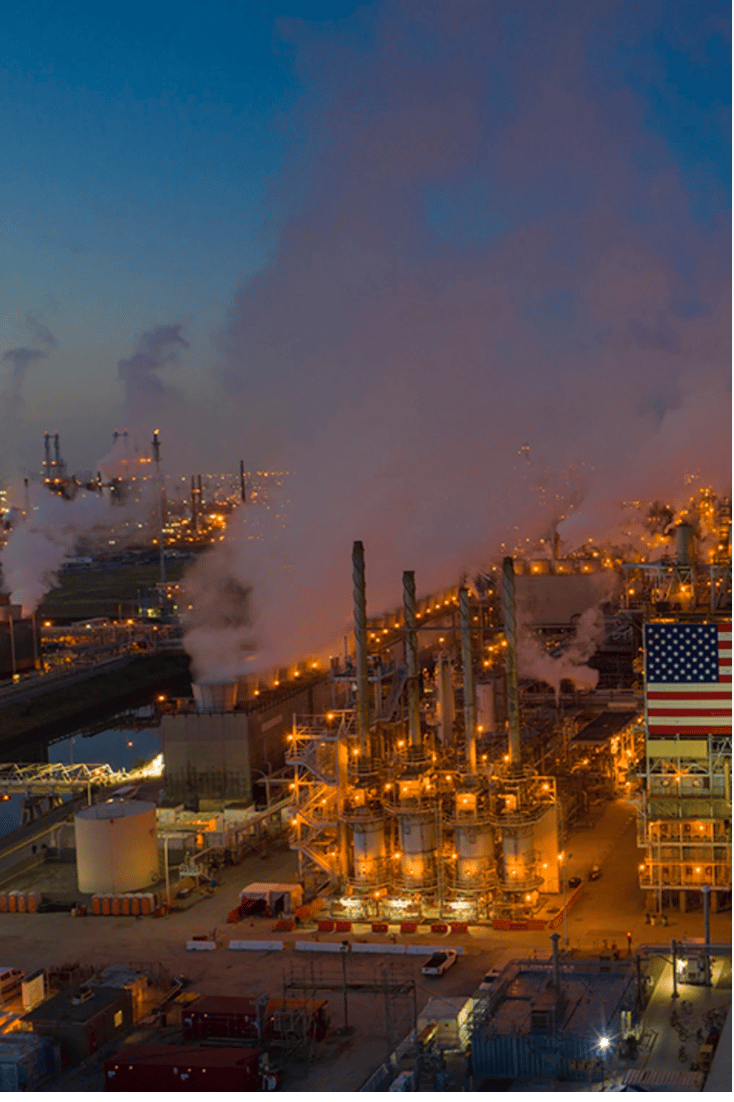
When people talk about Iran being attacked or possibly heading toward revolution, most Americans think about oil prices or instability in the Middle East.
But there is another major player watching this very closely.
China.
Over the past several days, as strikes and retaliatory attacks involving Iran have intensified, global markets have focused on oil prices and shipping risks. But the deeper strategic implications may revolve around China’s relationship with Iran and what happens if the country becomes unstable or undergoes political change.
Let’s discuss the economic relationship between China and Iran in order to understand why this matters.
Why China and Iran Are Economically Linked
China is Iran’s largest trading partner. The relationship is built primarily on oil.
Because Iran has been under heavy US sanctions for decades, many Western countries cannot legally buy its oil. China has stepped in as the main buyer. Estimates suggest that roughly 80 to 90 percent of Iran’s oil exports go to China, often at a discount due to sanctions pressure.¹
For China, this has been a strategic win. It gets access to cheaper oil and diversifies its energy supply away from US-aligned producers.
In 2021, the two countries signed a 25-year cooperation agreement outlining potential Chinese investment in Iranian energy, transportation, and infrastructure in exchange for long-term oil supply agreements.² However, many of those investments have moved more slowly than headlines initially suggested. China has been cautious³, and that caution now looks strategic.
What Has Changed Over the Past Few Days
The recent escalation has introduced three new risks that China did not have to price in just a week ago.
First, physical infrastructure risk.
Strikes targeting Iranian military and industrial facilities have raised concerns about damage to energy infrastructure. While Iran’s oil production has not collapsed, markets are now pricing in the possibility that production or export terminals could be disrupted if the conflict expands.
Second, shipping risk through the Strait of Hormuz.
The Strait of Hormuz carries roughly 20 percent of the world’s oil supply.⁴
Even temporary threats to shipping lanes or insurance markets can disrupt flows. Energy traders have already begun factoring higher geopolitical risk premiums into oil prices.
For China, this matters directly. A large share of the Iranian crude it imports travels through this narrow waterway.
Third, internal instability.
If prolonged conflict weakens Iran’s leadership or triggers widespread unrest, the possibility of internal political change increases. That does not automatically mean revolution, but it introduces a level of uncertainty that China historically prefers to avoid.
What Changes If Iran Remains Politically Unstable
If Iran experiences prolonged unrest or leadership change, China faces several strategic risks.
First, oil disruption.
China relies on steady energy flows. If production falls or shipping becomes unpredictable, China would need to replace Iranian supply quickly.
Second, political realignment.
If a future Iranian government seeks stronger relations with Europe or the United States, Iran could rebalance its economic partnerships. China would likely remain an important buyer, but it could lose preferential treatment or discounted pricing.
Third, strategic credibility.
China presents itself globally as a steady partner that does not interfere in domestic politics. If Iran collapses or dramatically changes leadership, China’s long-standing partnership could appear less durable than it once seemed.
What China Is Likely To Do
China’s foreign policy is historically pragmatic rather than ideological. In the current situation, Beijing has taken a predictable position: calling for restraint and de-escalation while avoiding direct involvement. China is unlikely to get militarily involved.
Instead, it will likely:
• Continue calling for diplomatic restraint
• Quietly diversify oil supply through Saudi Arabia, Russia, and other producers
• Delay large scale investment projects until Iran’s political direction becomes clearer
China already imports significant oil from Saudi Arabia, Russia, and Iraq.⁵
Those alternatives reduce the urgency of relying on Iranian supply during instability.
The Bigger Picture
China’s relationship with Iran has never been ideological, it has been transactional; Cheap oil in exchange for economic engagement. Now that Iran faces external military pressure and potential internal instability, China’s approach will likely remain consistent.
Avoid direct confrontation with the United States, protect their oil imports and stay flexible until the political outcome becomes clearer.
The real question is not whether China supports Iran, it’s whether Iran remains stable enough to be worth supporting.
I would love to know what you thought about this article, and what you think about how this conflict could affect markets in 5, 10, or 20 years. I read all of your responses!