|
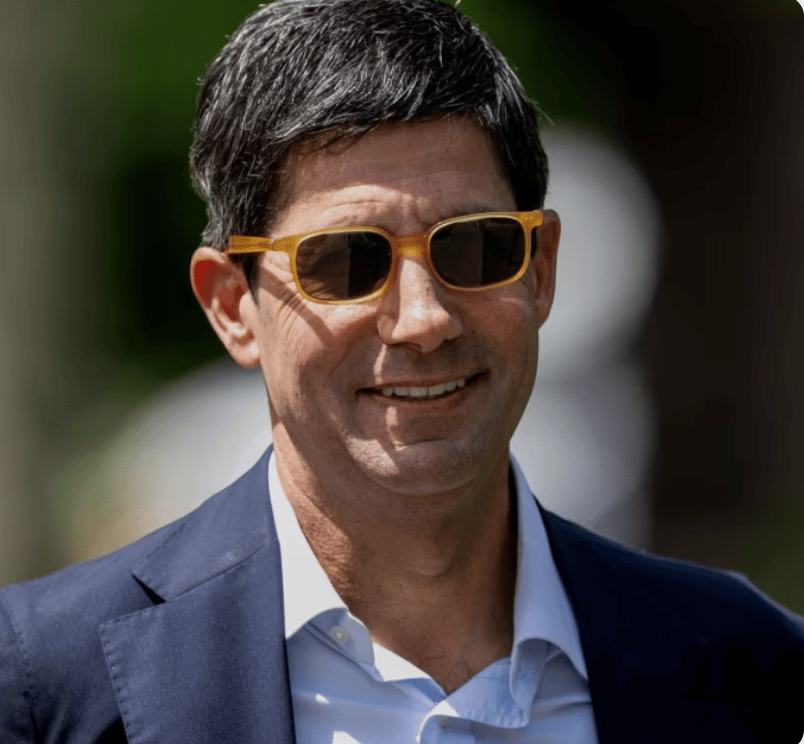
I was going to call this article “Everybody Hates Kevin,” but that felt a little unfair. Poor Kevin Warsh may have one of the toughest jobs in America right now. When President Trump nominated him to lead the Federal Reserve earlier this year, most people thought they knew how the story would go. Inflation seemed to be cooling, economic growth was slowing, and investors were expecting interest rates to gradually come down. Given President Trump’s preference for lower rates, many assumed Warsh’s biggest challenge would be figuring out how quickly to start cutting them.¹ Instead, he walked into the exact opposite situation. At this week’s Federal Reserve meeting, officials voted unanimously to keep interest rates where they are. More importantly, the Fed made it clear that inflation is still a problem and that they are not ready to declare victory yet.² Inflation is still running above the Fed’s long-term target of 2%, and recent events around the world have made the outlook even murkier. Energy prices have moved higher, supply chains remain fragile, and policymakers are trying to figure out whether inflation, which appeared to be improving earlier this year, could start moving in the wrong direction again.³ At the same time, millions of Americans are feeling the effects of higher interest rates. Mortgage rates remain elevated. Borrowing is more expensive. Businesses and consumers alike would love some relief.⁴ If Warsh and the Fed lower rates too soon and inflation comes roaring back, they’ll be blamed for letting prices get out of control. If they keep rates high for too long and the economy slows down too much, they’ll be blamed for that too. Being Fed Chair isn’t about deciding what the economy looks like today. It’s about trying to predict what it will look like six, twelve, or eighteen months from now.⁵ What makes this situation especially interesting is how quickly expectations have changed. Just a few months ago, investors were debating how many rate cuts we’d get this year. Two? Three? Maybe even more? Today, some investors are simply hoping rates don’t go higher.⁶ It’s a great reminder of how quickly the economic narrative can change. One unexpected event can ripple through the entire economy. A geopolitical conflict can affect energy prices. Higher energy prices can affect inflation. Inflation can affect interest rates. Interest rates can affect consumer spending, business investment, housing demand, and stock prices. For investors, though, the bigger lesson has very little to do with Kevin Warsh. The lesson is that market expectations can change incredibly fast. At the beginning of the year, investors were confident that rates were headed lower. Today, many are preparing for the possibility that rates stay higher for longer. Six months from now, the conversation could be completely different again.⁸ That’s why successful investing requires a healthy dose of humility. Forecasts are rarely accurate enough to build a financial plan around. The future almost never unfolds exactly as experts predict, and markets have a habit of surprising even the smartest people in the room. In many ways, Kevin Warsh faces the same challenge investors do: making decisions in a world where the facts are constantly changing and certainty is impossible. Thank Me Later The Federal Reserve’s outlook can change quickly because the economy can change quickly. Investors who anchor their financial decisions to a single prediction about interest rates, inflation, or economic growth often find themselves reacting to yesterday’s story. A better approach is to acknowledge uncertainty, prepare for multiple outcomes, and build a portfolio that doesn’t require perfect predictions to succeed. As always, our team at Maddahi Wealth is here to help our clients build financial plans that acknowledge this ever-changing economy.
Sources ¹ Federal Reserve Board; CME FedWatch Tool; Reuters reporting on market expectations following the 2026 presidential transition. ² Federal Open Market Committee Statement, June 2026; Summary of Economic Projections, Federal Reserve Board. ³ U.S. Bureau of Labor Statistics, Consumer Price Index Report (May 2026); U.S. Energy Information Administration. ⁴ Federal Reserve Board; Mortgage Bankers Association; National Association of Home Builders. ⁵ Congressional Research Service, “The Federal Reserve’s Dual Mandate”; Federal Reserve publications. ⁶ CME FedWatch Tool; Reuters market commentary; Wall Street Journal interest rate coverage. ⁷ Federal Reserve public remarks and communications, June 2026. ⁸ CME FedWatch Tool; Federal Reserve Summary of Economic Projections; Reuters market coverage. |
Market perspective
The Predicament of Kevin Warsh