Every time a major conflict unfolds, the immediate reaction is the same; markets turn volatile, oil prices spike, and the conversation shifts toward uncertainty. But beneath that initial reaction, something more structural is happening. These moments tend to reveal where real power sits in the global system, and right now, that answer is in the United States.
In this moment of global stress, the United States has become more central, not less.
Let’s break that down;
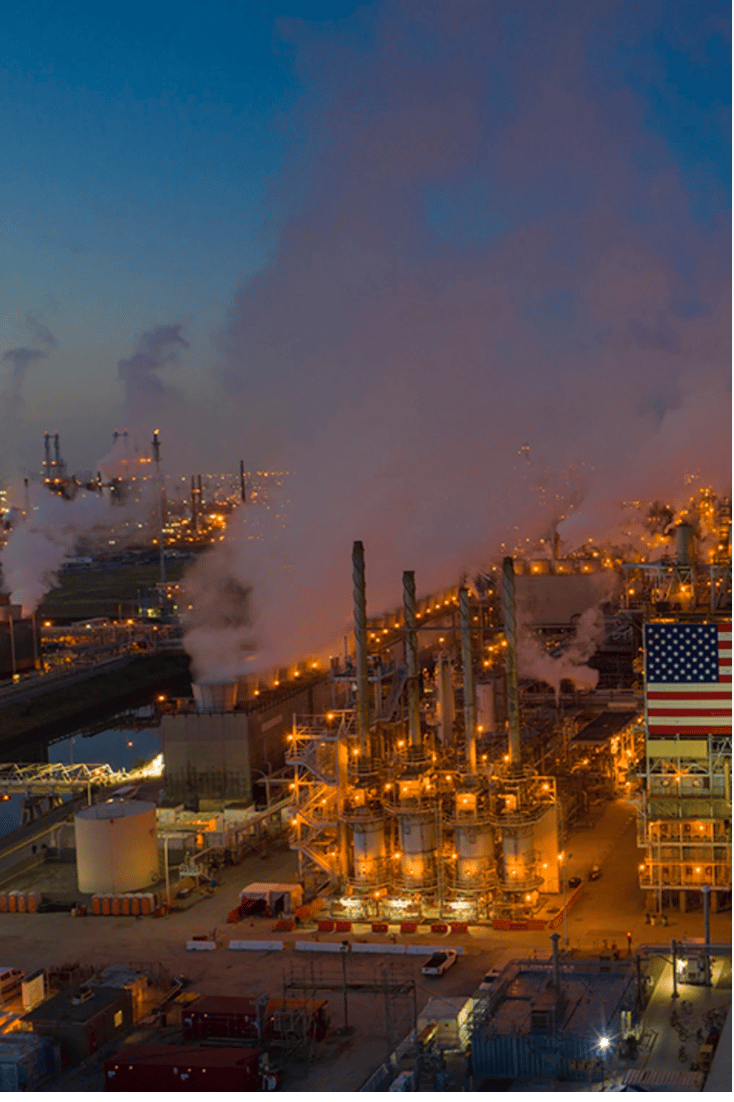
When tensions rise in the Middle East, the first thing the world worries about is oil. In this current war, we are dealing with Iran’s closure of the straight of Hormuz where roughly 20% of global oil supply flows through.¹
Even if the strait isn’t fully closed, the risk that Iran can close it increases shipping costs, insurance premiums, and delays. That tightens supply and pushes prices higher.
In the 1970s, this would have crippled the U.S. economy, but not today…
The U.S. is now one of the largest oil producers in the world, thanks to the shale boom.² That means when global oil prices rise, the U.S. doesn’t just absorb the pain, it participates in the upside.
At the same time, Europe is still rebuilding its energy strategy after the Russia-Ukraine war and has become increasingly reliant on U.S. energy exports.³
So higher oil prices don’t just create inflation pressure. They also increase America’s leverage in global energy markets. In periods of conflict, the global system naturally gravitates toward stability, and the United States continues to serve as its primary anchor.
That becomes especially clear when you look at China.
China is the world’s largest importer of crude oil, and a significant portion of that supply comes from the Middle East.⁴ China does not possess the same global military infrastructure to safeguard those routes, especially in high-risk regions such as the Persian Gulf.
So when tensions rise the U.S. protects trade routes and China is forced to depend on them. It changes the landscape from simply a military difference to a power structure difference.
This dynamic also strengthens alliances.
After Russia invaded Ukraine, countries rallied around NATO and increased defense spending.⁵ Similar patterns are emerging now.
When risk rises, allies coordinate more closely, defense budgets increase and security dependence on the U.S. deepens. As a result, U.S. defense companies can see increased demand. U.S. Treasury bonds become a “safe haven.” And global capital often flows into the U.S. dollar during uncertainty.⁶
None of this means the situation is “good.
War brings real consequences; human loss, economic strain and inflation risks. il spikes can ripple into higher costs across transportation, food, and everyday goods. Markets can become volatile in the short term.
But from a structural standpoint, the key idea is that power isn’t measured in calm environments, it’s revealed during stress.
Historically, during periods of global stress, the U.S. system (its markets, its military, and its currency) have all proven to be the place the world gravitates toward. arkets are not just reacting to the event, they are pricing who is most resilient through the event.
I am always here to remind you that short-term fear is loud, but long-term positioning is quiet. The investors who win over time are the ones who understand the difference.
Take the First Step
If you want a partner to help you navigate your investments in this ever-changing economic landscape, we invite you to send us an email to set up a consultation.