The Structural Shift
For decades, one geopolitical flashpoint had the power to rattle the entire global economy; The Strait of Hormuz.
It is a narrow shipping corridor between Iran and Oman, which carries roughly 20 million barrels of oil per day, representing about 20% of global petroleum supply.¹ When conflict threatens this route, markets notice immediately.
Historically, disruptions to energy supply have triggered some of the most dramatic economic shocks in modern history. The 1973 oil embargo quadrupled energy prices. The Iranian Revolution in 1979 sent inflation surging across the developed world. Even the Gulf War in 1990 caused oil prices to spike sharply.
So when tensions in the Middle East escalate and shipping through Hormuz slows, investors instinctively expect the same outcome. We expect oil to surge (it’s up about 50%), inflation to return and for stocks to fall.
Yet something interesting is happening today. Oil prices have risen, but equity markets have remained relatively resilient. Instead of panic, markets are responding with measured volatility. The reason is a structural shift that has quietly reshaped the global energy landscape.
The Shale Revolution Changed Everything
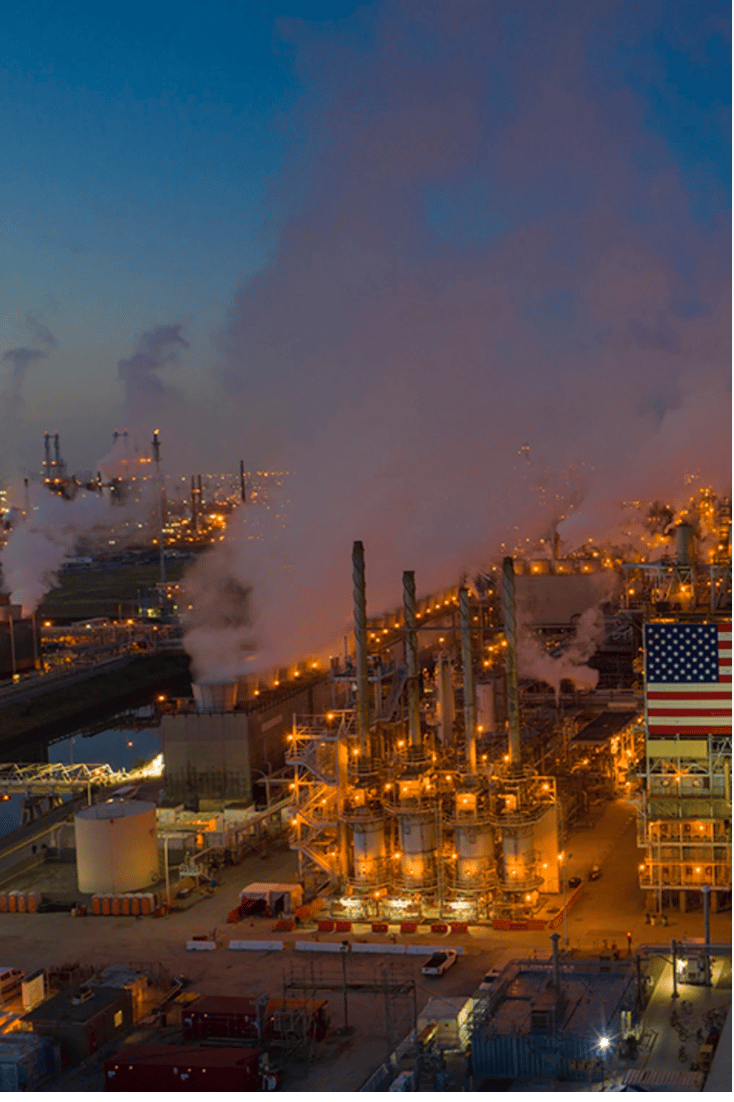
Twenty years ago, the United States was heavily dependent on foreign oil. In the mid-2000s, U.S. crude production hovered around five million barrels per day. Today, the country produces roughly 13.5 million barrels per day, making it the largest oil producer in the world.² This transformation was driven by the shale revolution.
Advances in horizontal drilling and hydraulic fracturing unlocked enormous reserves in places like the Permian Basin in Texas and New Mexico, dramatically increasing domestic supply.³ In practical terms, this means the United States now has far greater control over its own energy destiny.
When oil prices rise, American producers benefit. Domestic energy companies generate higher revenues, which helps offset the broader economic impact of higher fuel costs. In earlier decades, rising oil prices were purely a tax on the U.S. economy, byt today, they are partially a profit center.
A Different Economy Than the One That Faced the Oil Shocks
Another reason markets are reacting differently is the structure of the modern economy. In the 1970s, manufacturing and heavy industry dominated economic output. These sectors were highly sensitive to energy prices. Today’s economy looks very different.
Technology, software, and services make up a much larger share of GDP and stock market value. In fact, technology alone accounts for roughly one-third of the S&P 500. Energy companies, by comparison, represent only a small portion of the index. The result is that oil price spikes still matter, but they no longer hit the economic engine as directly as they once did.The United States also produces more economic output per unit of energy than it did decades ago, meaning each barrel of oil supports significantly more economic activity.
Strategic Reserves Add a New Shock Absorber
There is another important tool that did not exist during earlier energy crises: strategic petroleum reserves. Following the oil shocks of the 1970s, the United States and other developed nations built massive emergency stockpiles designed to stabilize supply during disruptions. These reserves allow governments to release oil into the market during geopolitical crises, helping smooth temporary shortages and calm price spikes.
Recent coordinated releases from strategic reserves around the world demonstrate how this mechanism can soften supply shocks when major shipping routes are threatened.
Markets Are Pricing Risk, Not Collapse
The key distinction in today’s market environment is that investors are reacting to uncertainty rather than a full supply breakdown. Despite tensions around the Strait of Hormuz, oil is still moving, just way more slowly and with higher insurance costs. Tanker traffic has declined significantly, but the global energy system has not stopped functioning.
Markets tend to react dramatically to actual supply collapses. But when the situation is uncertain and fluid, prices adjust gradually as probabilities change. For now, oil markets appear to be pricing a risk premium, not a structural shortage.
The Variable That Matters Most
Ultimately, the global economy hinges on one question: Does the Strait of Hormuz remain partially disrupted, or does it close completely for an extended period?
If the strait were shut for weeks or months, the impact would be profound. Roughly one-fifth of the world’s oil supply would need to find alternate routes or replacement sources.¹ That scenario would likely push oil prices sharply higher and reintroduce inflation pressures just as central banks were beginning to regain control. But if shipping resumes or tensions ease, energy markets could normalize surprisingly quickly. Oil shocks have a long history of reversing as rapidly as they appear.
The Quiet Lesson for Investors
Periods of geopolitical tension often feel like moments when markets should fall apart, but history repeatedly shows that the global economy is more adaptable than headlines suggest. Energy markets evolve, supply chains re-route and production adjusts.
The shale revolution has fundamentally altered the balance of power in global energy, and it is one of the reasons the market’s reaction today looks very different from the oil shocks of the past.