|
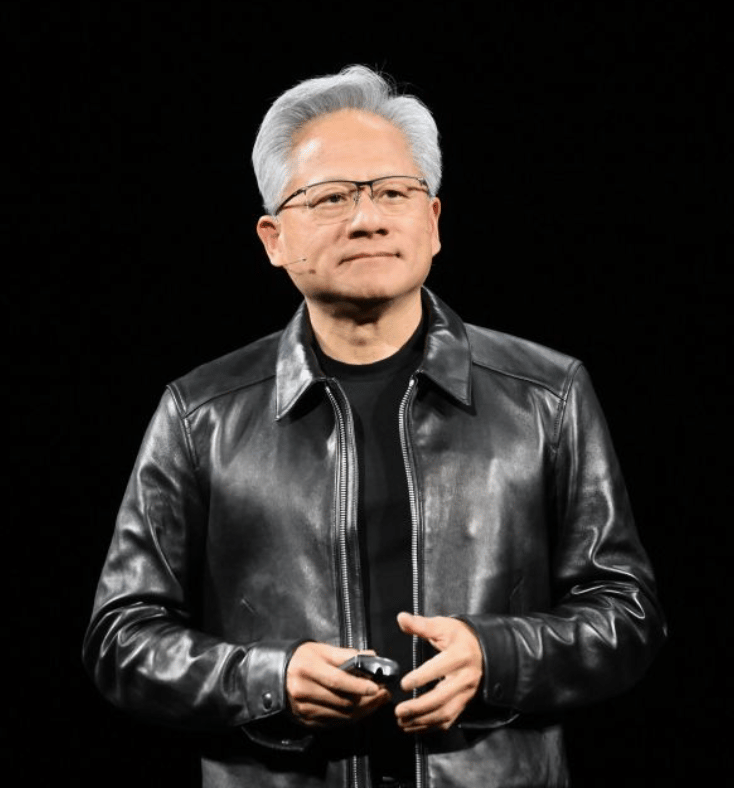
I’ll assume you’ve probably heard about the scandal surrounding Nvidia CEO Jensen Huang. I really don’t care what most people do with their personal lives, but when the biggest company in the world (I guess it’s the second biggest after all the losses from the scandal)fluctuates so much, it affects us all. For those who haven’t been following, Huang reportedly admitted to having an affair, and allegations subsequently emerged that the woman involved may have had connections to Chinese intelligence. Nvidia’s board launched an investigation, and suddenly one of the most successful companies in the world found itself dealing with a major leadership crisis. Then on Wednesday, The New York Times reported that Huang had a second extramarital relationship, this time with Kimberly Powell, an Nvidia vice president who reported to him. This added a corporate governance concern to the existing national security controversy. This morning, they announced that Huang has resigned as CEO. And this brings me to the big reminder here… This is why we diversify! A great company can still be a risky investment.Nvidia has been one of the biggest winners of the AI revolution. Its technology is extraordinary, its business has grown tremendously, and Jensen Huang has been instrumental in building the company into what it is today. But none of that makes the stock immune to risk. Think about how much research investors do before buying a company. We study earnings, revenue growth, margins, valuations, competitive advantages, and management. What we generally don’t account for is the possibility that the CEO’s personal life becomes an international scandal involving national security concerns and therefore affecting the stock price dramatically. (I mean, I certainly don’t analyze the CEO of each company I invest in to see how likely he is to have an affair with a spy?!) You simply cannot predict everything. When too much of your wealth is tied to one company, an unexpected event can have a significant impact on your financial future. Also, owning a bunch of stocks doesn’t necessarily mean you’re diversified.This is something I see all the time. Someone tells me they have a diversified portfolio because they own Nvidia, Microsoft, Amazon, Meta, Alphabet, AMD, and a few other technology companies. These are all great businesses, but they’re also exposed to many of the same risks. If investors suddenly become concerned about AI spending, technology valuations, regulation, or economic growth, many of these stocks could decline at the same time; we actually saw it pretty clearly last week. You may own 20 different companies, but if they’re all in the same sector, you may not be nearly as diversified as you think. This is why I believe in spreading investments across different sectors of the economy. Technology, healthcare, financials, industrials, consumer staples, energy, and so on. Some sectors will do better than others at different times. That’s normal. The idea is that when one area of your portfolio is struggling, you have other investments that may be holding up better. Diversification isn’t exciting. But it works.One of the things I find interesting about investing is that people spend so much time trying to figure out which stock will make them the most money. It’s exciting to find the next Nvidia, Apple, or Amazon. Building long-term wealth, however, isn’t just about finding winners. It’s also about managing risk. The point of diversification isn’t to maximize your returns in any one year; it’s to reduce the risk that one bad investment, one struggling sector, or one economic downturn can seriously damage your financial future. Diversification doesn’t mean you won’t lose money. There will be periods when nearly everything declines together. We’ve seen that plenty of times. It simply means you’re not depending on one investment to get everything right. I have no idea how the Nvidia situation will ultimately play out. The company may move past it and continue to perform exceptionally well, or there may be consequences that investors haven’t fully considered yet. Either way, the lesson is the same. You can believe in Nvidia. You can believe in AI. You can believe in the American economy, and you can still diversify. You don’t need to predict every risk. You need to build a portfolio that can withstand the risks you didn’t predict. DisclaimerThis article is for informational and educational purposes only and does not constitute personalized investment advice or a recommendation to buy or sell any security. Diversification does not guarantee a profit or protect against investment losses. All investments involve risk, including the potential loss of principal. Investment decisions should be based on individual financial circumstances, objectives, and risk tolerance. |
Maddahi Wealth · Insights
And This Is Why We Diversify…